

Solar Energy Explained: How It Works and Why It Matters
Solar energy is a clean, renewable power source that transforms sunlight into electricity. As one of the most sustainable energy solutions available, solar power plays a vital role in reducing environmental impact, strengthening energy independence, and fostering economic growth.
How Solar Power Works
Sunlight Absorption
Solar panels capture sunlight and convert it into direct current (DC) electricity.
Energy Conversion
An inverter transforms the DC electricity into alternating current (AC), the type of power used in homes, businesses, and the grid.
Grid Integration
The electricity is sent to the power grid, where it is distributed to meet energy demands in nearby communities.
The Benefits of Solar Energy
Switching to solar isn’t just good for the environment—it’s good for everyone. Here’s why solar matters:
- Environmentally Friendly: Solar energy produces no greenhouse gas emissions, helping to reduce air pollution within the energy generation industry.
- Renewable and Abundant: The sun provides an inexhaustible energy source, making solar power a sustainable solution for the long term.
- Energy Independence: By diversifying the electric grid with solar power, we can reduce reliance on imported fuels and strengthen national energy security.
- Economic Growth: Solar projects create jobs, generate local tax revenue, and support businesses throughout the supply chain.
Solar Power and Utility-Scale Projects
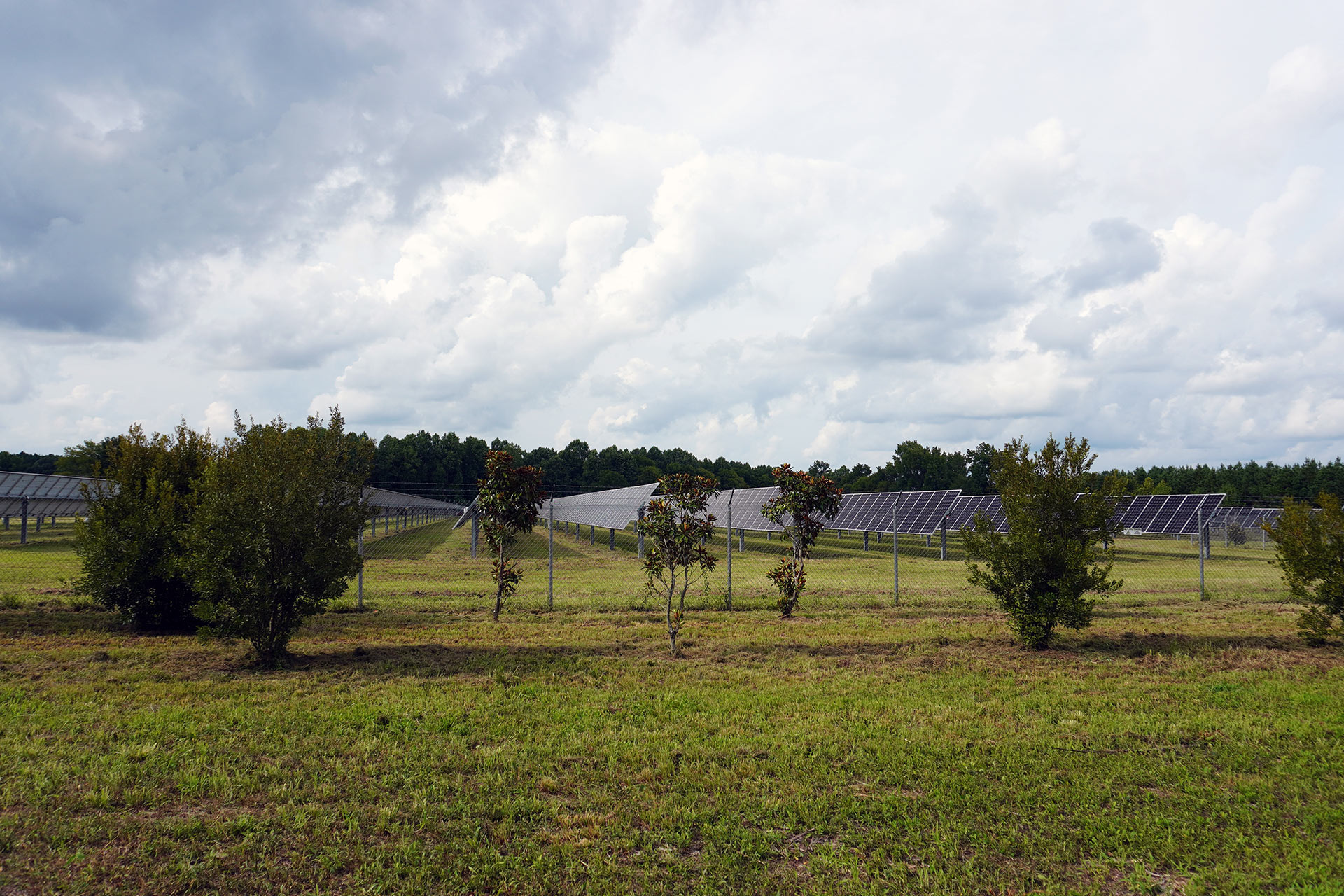
Utility-scale solar projects, like Rainbow Trout Solar, take renewable energy production to the next level. By operating at a large scale, these projects can:
- Provide clean energy to thousands of homes and businesses.
- Maximize efficiency and cost-effectiveness with advanced technology and economies of scale.
- Serve as a critical component in transitioning to a cleaner, more sustainable energy future.